Winter Vaccines: Flu, COVID-19 and RSV Explained
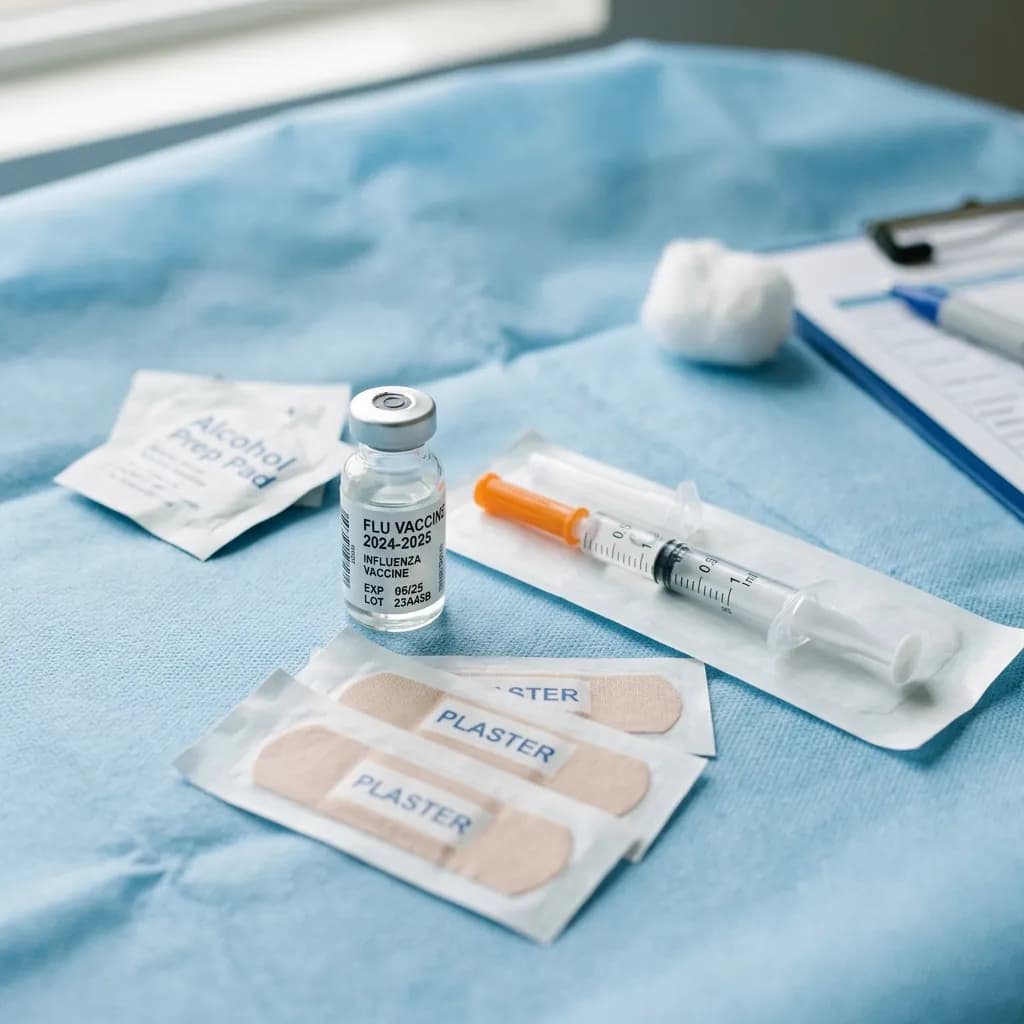
Winter brings a rise in flu, COVID-19 and RSV. Vaccines are the best protection for people most at risk of serious illness. Here is who is eligible on the NHS, when to get vaccinated and what to expect.
Key takeaways
- The flu vaccine changes every year, so you need a new one each autumn.
- It takes about two weeks after vaccination for protection to build.
- Eligibility for the NHS flu, COVID-19 and RSV programmes is set each year on the advice of the JCVI.
- Many pharmacies offer free NHS flu vaccinations for eligible adults, often without an appointment.
Why winter vaccines matter
Flu, COVID-19 and respiratory syncytial virus (RSV) spread more easily in colder months, when people spend more time indoors. For most healthy people they cause an unpleasant illness, but for older adults, young children, pregnant women and people with long-term conditions they can lead to pneumonia, hospital admission and, in some cases, death.
Each year the Joint Committee on Vaccination and Immunisation (JCVI) advises the government on who should be offered these vaccines, and the NHS publishes the eligible groups for that season.
The flu vaccine
Flu viruses change, so the vaccine is updated every year to match the strains expected to circulate. The NHS flu vaccine is usually offered from early autumn. Groups typically eligible include:
- adults aged 65 and over
- people aged 6 months to 64 years with certain long-term health conditions
- pregnant women
- people living in care homes, and main carers
- frontline health and social care workers
- children from age 2 up to school age groups set each year (usually given as a nasal spray)
The flu vaccine cannot give you flu. Some people have a sore arm or feel slightly unwell for a day or two. If you are not eligible for a free NHS vaccine, you can usually get one privately at a pharmacy.
The COVID-19 vaccine
Seasonal COVID-19 vaccines are now offered to those at highest risk of serious illness. In recent seasons this has included adults aged 75 and over, residents of care homes for older adults, and people with a weakened immune system. Check the NHS website for the groups eligible this season.
The RSV vaccine
RSV is a common virus that can cause serious lung infections in babies and older adults. Since September 2024, the NHS has offered an RSV vaccine to:
- pregnant women from 28 weeks, to protect their baby in the first months of life
- older adults in the age groups set by the programme
Unlike flu, the RSV vaccine is a single dose and is not needed every year.
When to get vaccinated
It takes about two weeks for protection to develop, so aim to be vaccinated in the autumn, before infections peak. However, it is still worth getting vaccinated later in the winter if you missed it.
Simple ways to reduce spread
- Wash your hands regularly with soap and water.
- Catch coughs and sneezes in a tissue, bin it and wash your hands.
- Stay at home if you have a high temperature or feel too unwell to do normal activities.
- Let fresh air in when meeting others indoors.
Sources and further reading
- Flu vaccine — NHS (https://www.nhs.uk/vaccinations/flu-vaccine/)
- COVID-19 vaccine — NHS (https://www.nhs.uk/vaccinations/covid-19-vaccine/)
- RSV vaccine — NHS (https://www.nhs.uk/vaccinations/rsv-vaccine/)
- Immunisation against infectious disease (the Green Book) — UK Health Security Agency (https://www.gov.uk/government/collections/immunisation-against-infectious-disease-the-green-book)
Content reviewed on 26 October 2026 against current UK guidance. Guidance and eligibility can change; always check the linked sources for the latest information.
This healthcare guide is published for health literacy and educational purposes and does not replace personalized medical advice from a doctor or pharmacist. If you experience sudden, acute symptoms (such as crushing chest pain, signs of stroke, severe breathing difficulty, or an acute allergic reaction), call 999 immediately or visit your nearest Emergency Department. For non-urgent medical advice, call NHS 111 or consult our clinical pharmacists.