NHS Pharmacy First: 7 Conditions Your Pharmacist Can Now Treat
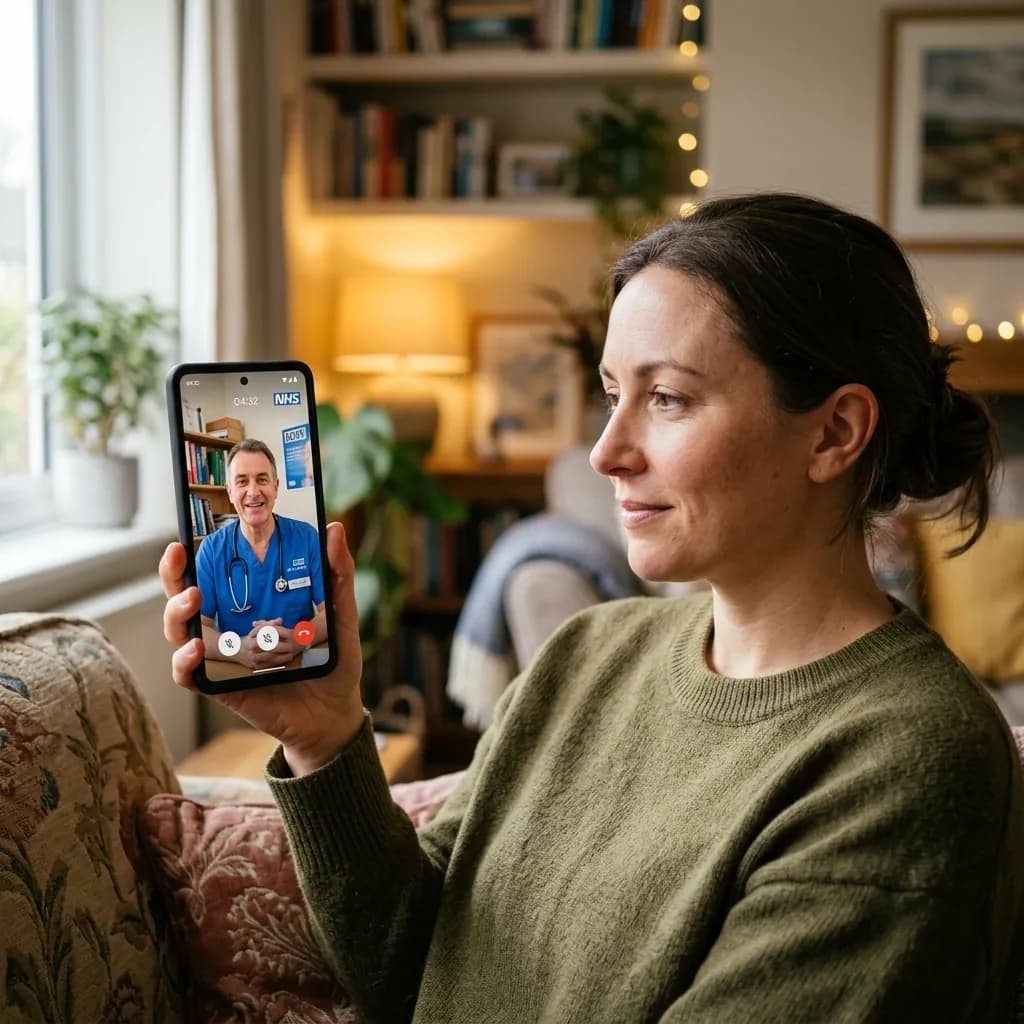
Since January 2024, pharmacists in England can assess and, where appropriate, treat seven common conditions, including prescription-only medicines such as antibiotics, without you needing a GP appointment.
Key takeaways
- Pharmacy First launched in England on 31 January 2024 and is free at the point of use.
- It covers seven conditions: sinusitis, sore throat, earache, infected insect bites, impetigo, shingles and uncomplicated UTIs in women.
- Each condition has an age range, and the pharmacist follows national clinical pathways.
- If the pharmacist cannot help, they will refer you to a GP or other service.
What is Pharmacy First?
Pharmacy First is an NHS service in England that lets trained community pharmacists assess and treat certain common conditions. Where clinically appropriate, they can supply prescription-only medicines, including antibiotics and antivirals, under national protocols. The aim is to give people quicker access to care and free up GP appointments.
The service launched on 31 January 2024. You can walk in, call ahead, or be referred by your GP practice, NHS 111 or an urgent care service. You will be seen in a private consultation room.
The seven conditions
| Condition | Age range |
|---|---|
| Acute sinusitis | 12 years and over |
| Sore throat | 5 years and over |
| Acute otitis media (earache) | 1 to 17 years |
| Infected insect bites | 1 year and over |
| Impetigo | 1 year and over |
| Shingles | 18 years and over |
| Uncomplicated urinary tract infection (UTI) | Women aged 16 to 64 |
Source: NHS England Pharmacy First service specification.
What happens at the appointment?
- The pharmacist asks about your symptoms, medical history, allergies and any medicines you take.
- They may examine you, for example looking at your throat, ear or skin.
- They follow a national clinical pathway to decide on the safest treatment.
- Your GP practice is informed of the consultation so your records stay up to date.
Many of these infections get better on their own, and antibiotics are not always the right choice. The pharmacist may recommend self-care, pain relief or a treatment you can buy, and explain what to do if you do not improve. This careful approach helps protect everyone against antibiotic resistance.
Is it free?
The consultation is free. If you are given a medicine, normal NHS prescription charges apply in England unless you are exempt.
When Pharmacy First is not suitable
You will be referred to a GP or another service if your symptoms are severe, you are outside the age range, you are pregnant in some cases, you have certain other health conditions, or your symptoms keep coming back. Call 999 or go to A&E in an emergency, such as severe difficulty breathing or swallowing, a stiff neck with a rash, or signs of sepsis.
Other help from your pharmacy
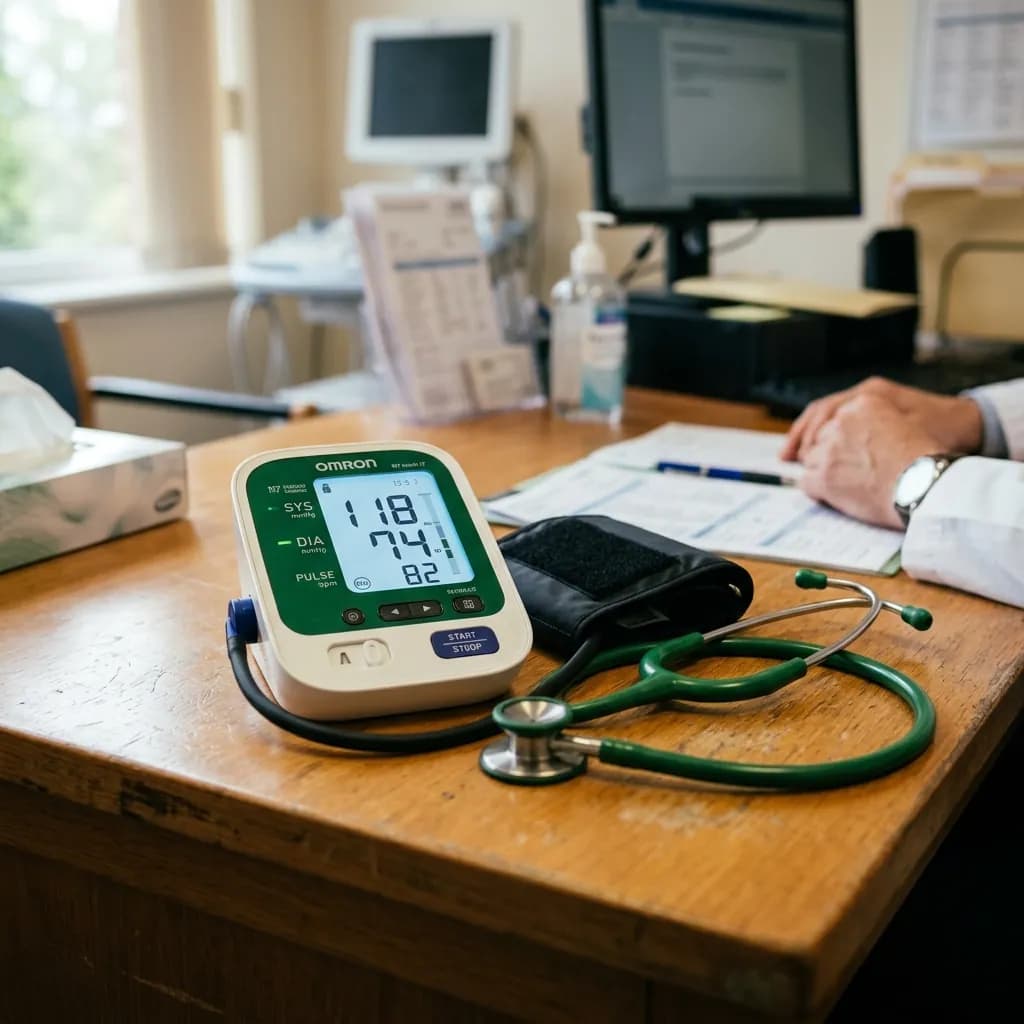
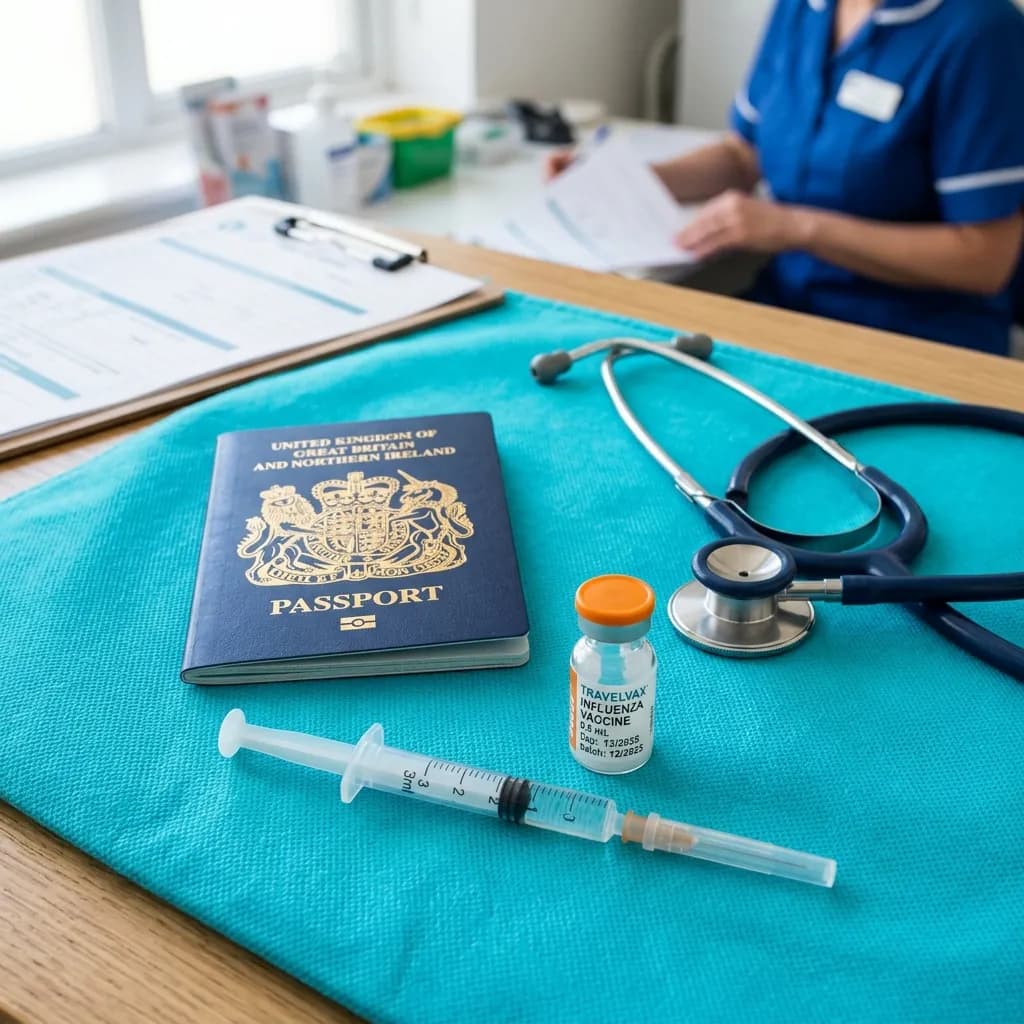
Pharmacies in England also offer free blood pressure checks for adults aged 40 and over, oral contraception without a GP appointment, the New Medicine Service, and NHS flu vaccinations in season.
Sources and further reading
- Pharmacy First — NHS England (https://www.england.nhs.uk/primary-care/pharmacy/pharmacy-services/pharmacy-first/)
- How your pharmacy can help — NHS (https://www.nhs.uk/nhs-services/pharmacies/how-pharmacies-can-help/)
- Antibiotics — NHS (https://www.nhs.uk/conditions/antibiotics/)
Content reviewed on 26 October 2026 against current UK guidance. Guidance and eligibility can change; always check the linked sources for the latest information.
This healthcare guide is published for health literacy and educational purposes and does not replace personalized medical advice from a doctor or pharmacist. If you experience sudden, acute symptoms (such as crushing chest pain, signs of stroke, severe breathing difficulty, or an acute allergic reaction), call 999 immediately or visit your nearest Emergency Department. For non-urgent medical advice, call NHS 111 or consult our clinical pharmacists.