How to Prepare for a Healthier Trip Abroad: The Travel Vaccine Guide
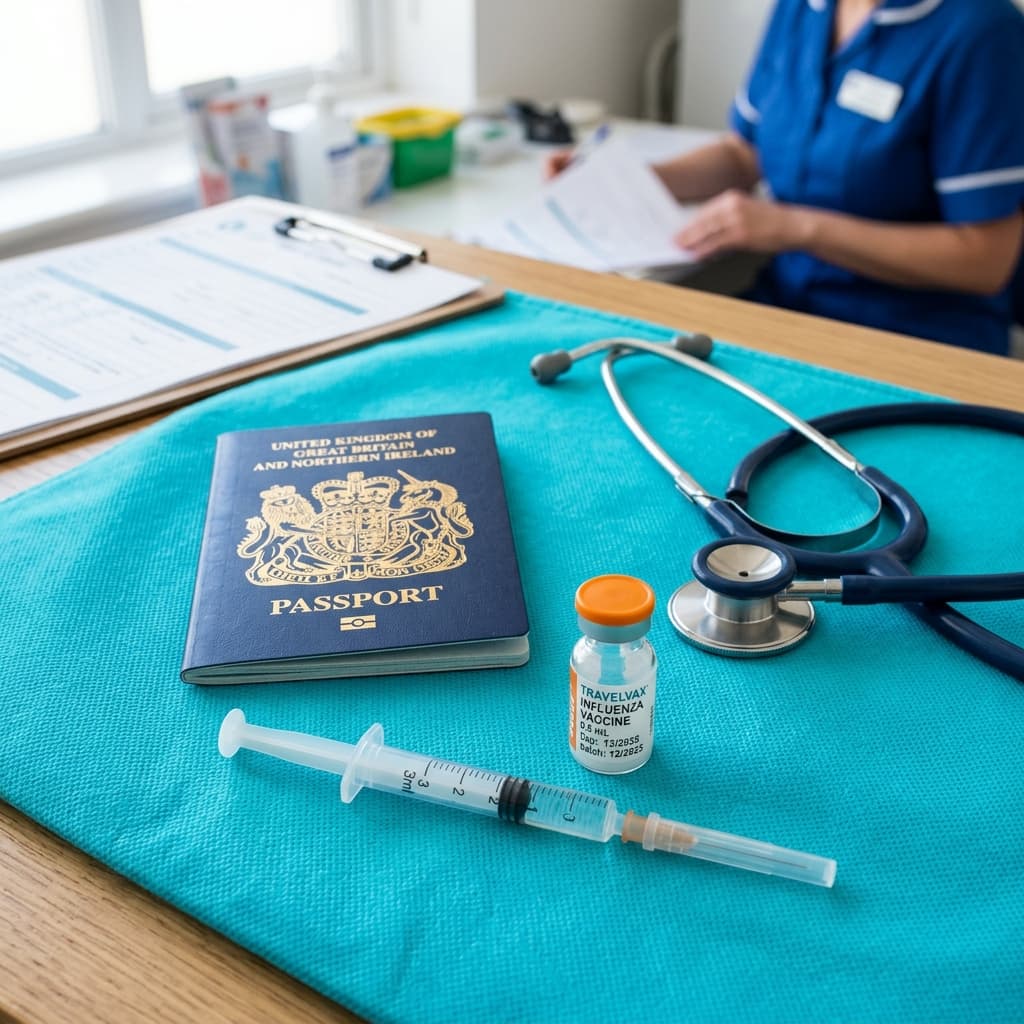
Planning an international holiday? Don't forget your health checklist. Read about essential vaccines, malaria prophylaxis, and staying safe abroad.
Preparing for an international holiday involves extensive planning, from booking accommodations to arranging local transport. However, ensuring you are fully protected against localized infectious diseases is arguably the most critical step. Exposure to viral, bacterial, and parasitic pathogens that are rare in the UK can quickly disrupt your travel plans and lead to long-term health complications.
The Importance of Early Consultation
A travel health consultation should be scheduled at least 6 to 8 weeks before departure. This timeline is necessary for three key reasons: first, some vaccines require multiple doses spaced weeks apart to stimulate a robust immune response; second, it takes your body roughly 10 to 14 days after your final dose to build maximum antibody protection; and third, certain countries require official certificates of vaccination (such as for Yellow Fever) to permit entry at the border.
Global Vaccine Reference Guide
Depending on your itinerary, specific immunisations are recommended or legally required. The table below outlines the transmission routes and recommendations for common travel vaccinations:
| Vaccine Type | Primary Transmission | Immunisation Course | Common Risk Zones |
|---|---|---|---|
| Hepatitis A | Contaminated food, water, or surfaces | Single dose (Booster at 6-12 months for 20yr cover) | Parts of Asia, Africa, Central & South America |
| Typhoid | Ingested food/water contaminated with Salmonella typhi | Single injection or course of three capsules | Indian subcontinent, parts of East Asia & Africa |
| Yellow Fever | Bites from infected Aedes or Haemagogus mosquitoes | Single dose (provides lifetime protection) | Tropical South America and Sub-Saharan Africa |
| Rabies Prophylaxis | Saliva contact or bites from infected mammals | Three doses over a 21 to 28-day period | Rural regions worldwide (especially Asia and Africa) |
Malaria Prevention: The ABCD Approach
Malaria is a serious, sometimes fatal disease caused by microscopic Plasmodium parasites transmitted through the bites of infected female Anopheles mosquitoes. There is currently no widely available commercial vaccine for adult travellers. Instead, prevention relies on a structured clinical protocol:
- Awareness: Research the specific risk profile of your destination. Risk levels can vary significantly between dry and rainy seasons.
- Bite Prevention: Use high-strength insect repellents containing 50% DEET or Icaridin, sleep under permethrin-treated mosquito nets, and wear long sleeves and trousers after dusk.
- Chemoprophylaxis: Take preventative antimalarial tablets (such as Atovaquone/Proguanil, Doxycycline, or Lariam) exactly as instructed. Crucially, you must continue taking the tablets for a set period after returning home to target any dormant parasites in the liver.
- Diagnosis: Seek urgent medical attention if you develop a high fever, chills, or flu-like symptoms up to a year after returning from a malaria-risk area.
At the Wise Pharmacy Travel Clinic, our pharmacists conduct detailed clinical risk assessments tailored to your exact travel itinerary. We can supply and administer all required travel vaccines and dispense antimalarial medications during a single appointment.