
Improving Mental Wellbeing: Cognitive Habits and Sleep Hygiene
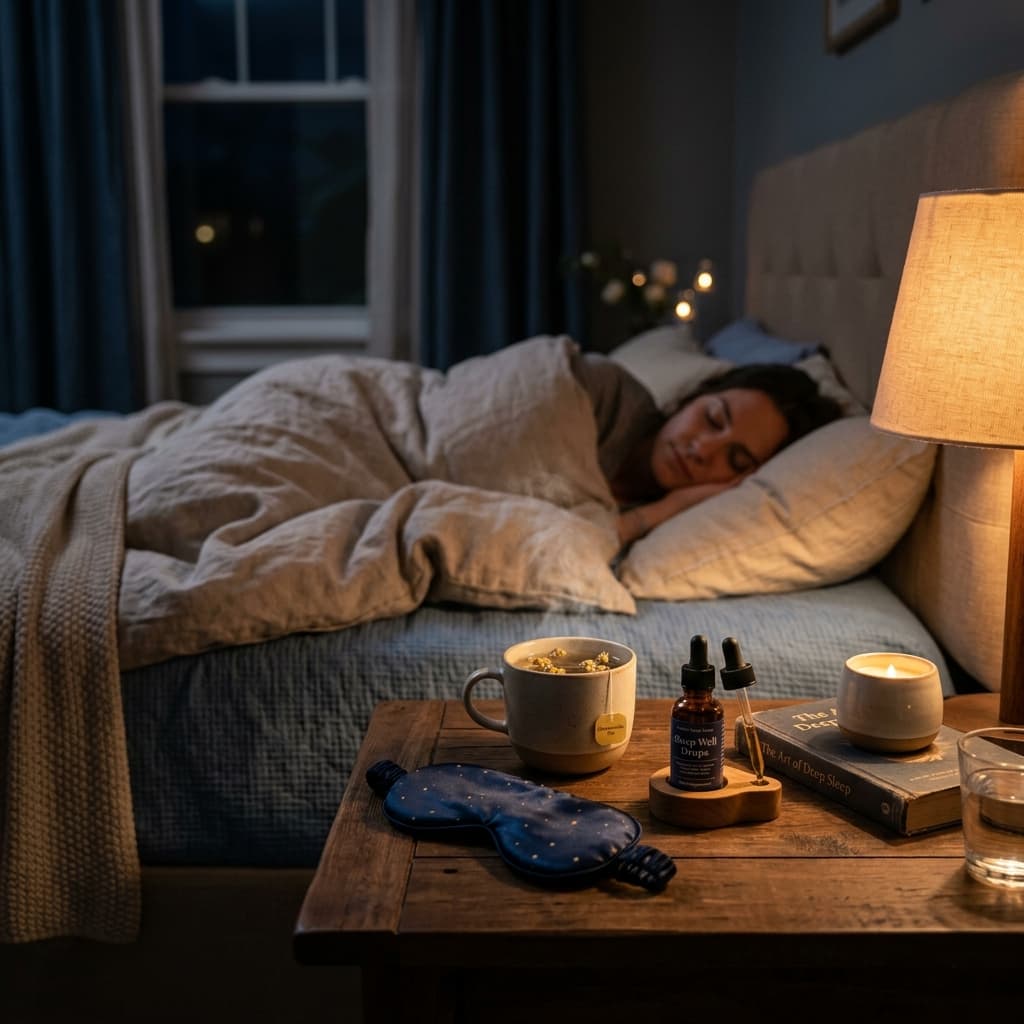
Quality sleep is the foundation of mental health. Explore natural sleep triggers, cognitive strategies, and when to seek clinical guidance.
Mental wellbeing and physical health are closely connected, and sleep acts as a crucial bridge between the two. Persistent sleep deprivation can disrupt cognitive function, affect emotional regulation, and weaken the immune system. By understanding the stages of sleep and establishing healthy habits, you can support your mental resilience and physical energy.
The Architecture of Sleep
A healthy night's sleep is structured around repeating 90-minute cycles, which are divided into distinct stages. Each stage plays a unique role in your mental and physical recovery:
| Sleep Stage | % of Night | Primary Recovery Function | Tips to Optimize |
|---|---|---|---|
| Light Sleep (N1/N2) | 50% | Heart rate slows and muscles relax, transitioning the body into deeper rest. | Keep your bedroom cool (around 18°C) to support this transition. |
| Deep Sleep (N3) | 25% | Physical recovery, cellular repair, and hormone regulation take place. | Avoid consuming caffeine within 6 hours of bedtime. |
| REM Sleep | 25% | Cognitive processing, learning, memory consolidation, and mood balancing. | Avoid screen use and blue light exposure for 1 hour before bed. |
A Practical Sleep Hygiene Checklist
Implementing small, consistent changes in your evening routine can significantly improve your sleep quality over time:
- Set a Consistent Schedule: Wake up and go to bed at the same time every day, including on weekends, to help regulate your body's natural clock.
- Create a Relaxing Environment: Keep your bedroom dark, quiet, and cool. Consider using blackout curtains or earplugs if needed.
- Create a Wind-Down Routine: Dedicate the hour before bed to screen-free activities, such as reading, journaling, or practicing gentle stretches.
When to Seek Professional Support
Occasional sleep issues are common, but persistent insomnia (difficulty falling or staying asleep for more than three nights a week over a month) should be evaluated by a healthcare professional. Chronic sleep problems can sometimes point to underlying conditions like sleep apnea or anxiety, which benefit from personalized medical support.
If you are struggling with your sleep, visit our pharmacy. Our team can offer advice on sleep aids, suggest lifestyle adjustments, or refer you to clinical support if needed.